


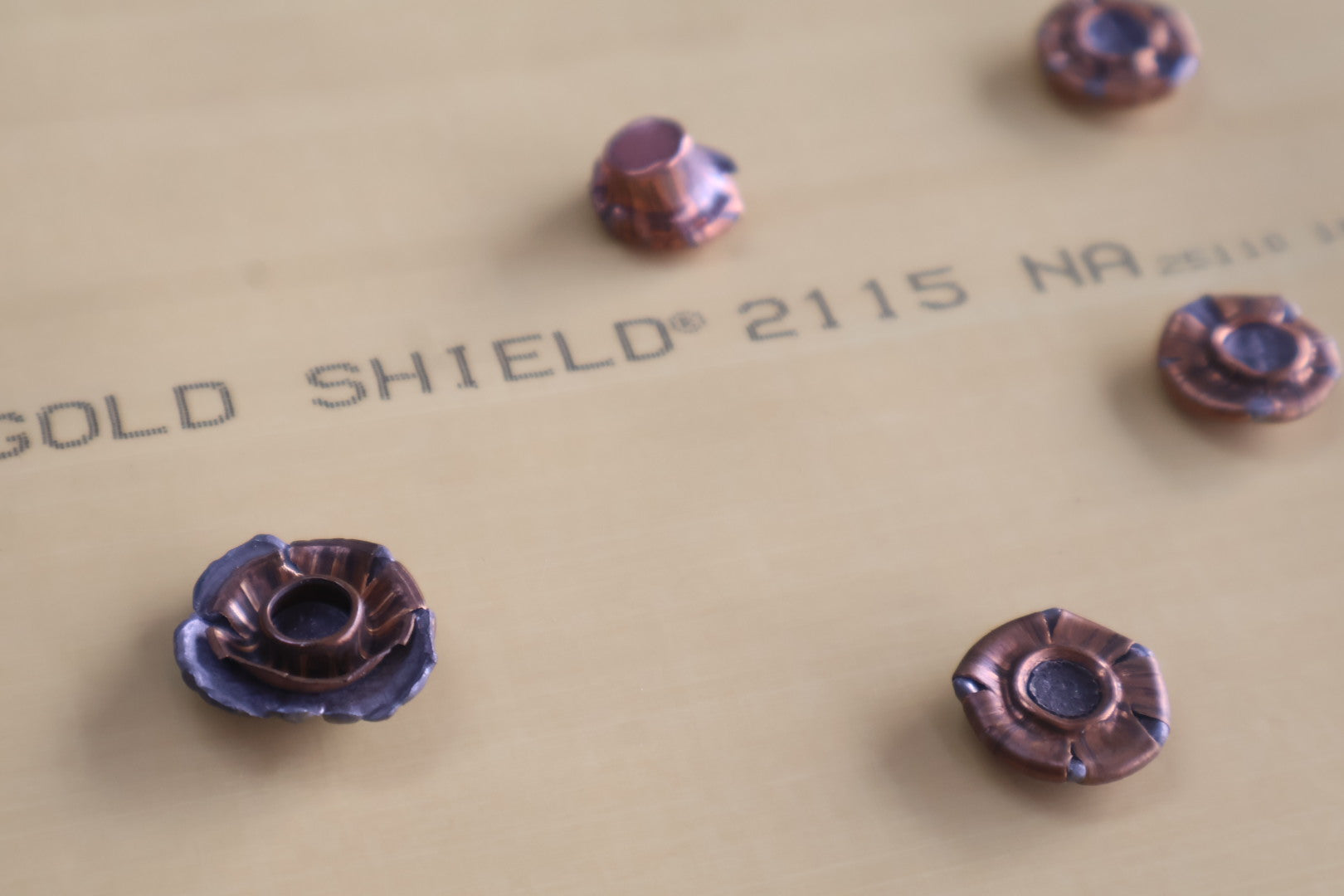
A bulletproof vest is not a single material but a carefully engineered system of layered fibers designed to absorb, disperse and stop high velocity threats. What sets high quality body armor apart is not what you see on the outside, but the materials and construction on the inside.
Modern soft body armor is primarily built around two material families: UHMWPE and aramid fibers. In more advanced solutions, these are combined with engineered composites such as Honeywell Gold Shield and Gold Flex to improve overall performance.
How Ballistic Materials Stop Bullets
A bulletproof vest does not simply block a bullet. Instead, it works by catching and slowing the projectile across multiple layers of high strength fibers.
This process relies on:
- Energy dispersion across the panel
- Friction between layers to slow the bullet
- Fiber strength to prevent penetration
The effectiveness of this process depends heavily on the material used.
UHMWPE: Lightweight, High-Strength Protection
UHMWPE, or ultra high molecular weight polyethylene, is one of the most advanced materials used in body armor today. It is built from extremely long molecular chains, giving it exceptional strength while remaining extremely light.
Key characteristics include:
- Very high strength to weight ratio
- Low density, resulting in lighter vests
- High resistance to abrasion and cutting
- Strong performance against chemicals and UV exposure
UHMWPE is typically produced in unidirectional sheets, where fibers are layered at different angles. This structure allows energy from a bullet to spread efficiently across the panel.
Dyneema and Polyethylene Variants
Dyneema is one of the most widely used UHMWPE materials in ballistic protection. It is applied in soft armor, hard plates and helmets.
Different variants are engineered for different outcomes:
- Some focus on reducing weight
- Others improve flexibility
- Some are optimized for multi threat protection
This variation means that not all UHMWPE based vests perform or feel the same.
Limitations of UHMWPE
Despite its advantages, UHMWPE also has drawbacks:
- Can feel more rigid than woven materials
- Performance may decrease at very high temperatures
- Pure polyethylene solutions can lack flexibility for concealed wear
Because of this, UHMWPE is often combined with other materials.
Aramid Fibers: Proven and Flexible
Aramid fibers have been used in ballistic protection for decades and are known for their reliability. Kevlar is the most well known example, but Twaron and other aramids offer similar core properties.
Aramid fibers are valued for:
- High tensile strength
- Heat resistance
- Flexibility and comfort
- Strong performance against cutting threats
Unlike UHMWPE, aramid is typically woven or stitched, which gives it a more natural flexibility.
UD vs Woven Aramid
There are two main constructions used in body armor:
Unidirectional aramid:
- Fibers aligned in fixed directions
- Lightweight and efficient
- Slightly more rigid
Woven aramid:
- Traditional textile structure
- More flexible and comfortable
- Better body conformity
Both are used depending on the desired balance between performance and wearability.
Limitations of Aramid
Aramid also has some weaknesses:
- Sensitive to UV exposure
- Can degrade with moisture and chemicals over time
- Heavier than UHMWPE at similar protection levels
These limitations are why hybrid systems are increasingly common.
Honeywell Gold Shield and Gold Flex
Honeywell has developed advanced ballistic materials that build on UHMWPE technology.
Gold Shield is designed for efficient energy absorption and reduced weight, making it highly effective in ballistic panels. Gold Flex takes this further by introducing a more flexible structure, improving comfort and multi directional performance.
These materials are often used in combination with aramid fibers to create hybrid panels that balance weight, flexibility and ballistic resistance.
Hybrid Material Systems
Modern high performance body armor rarely relies on a single material. Instead, manufacturers combine multiple materials to optimize performance.
A hybrid system typically offers:
- Lower overall weight
- Improved flexibility
- Better control of backface deformation
- More consistent performance across different threats
This combination of materials is what separates premium body armor from basic solutions.
Layering and Panel Construction
The number of layers and how they are arranged plays a major role in performance. A ballistic panel can consist of dozens of layers, each contributing to stopping the projectile.
Key factors include:
- Number of layers
- Fiber orientation
- Combination of materials
- Overall thickness of the panel
Small changes in layering can significantly affect how a vest performs.
Final Thoughts
Bulletproof vests are not defined by a single material, but by how materials are engineered together.
UHMWPE provides unmatched strength at low weight. Aramid offers flexibility and proven reliability. Advanced materials like Honeywell Gold Shield improve performance through optimized design.
Understanding these materials is what allows you to make better decisions when choosing or developing body armor.
Share:
How to Choose a Bulletproof Vest: What to Look for Before You Buy
20 Things You Didn’t Know About Bulletproof Vests