


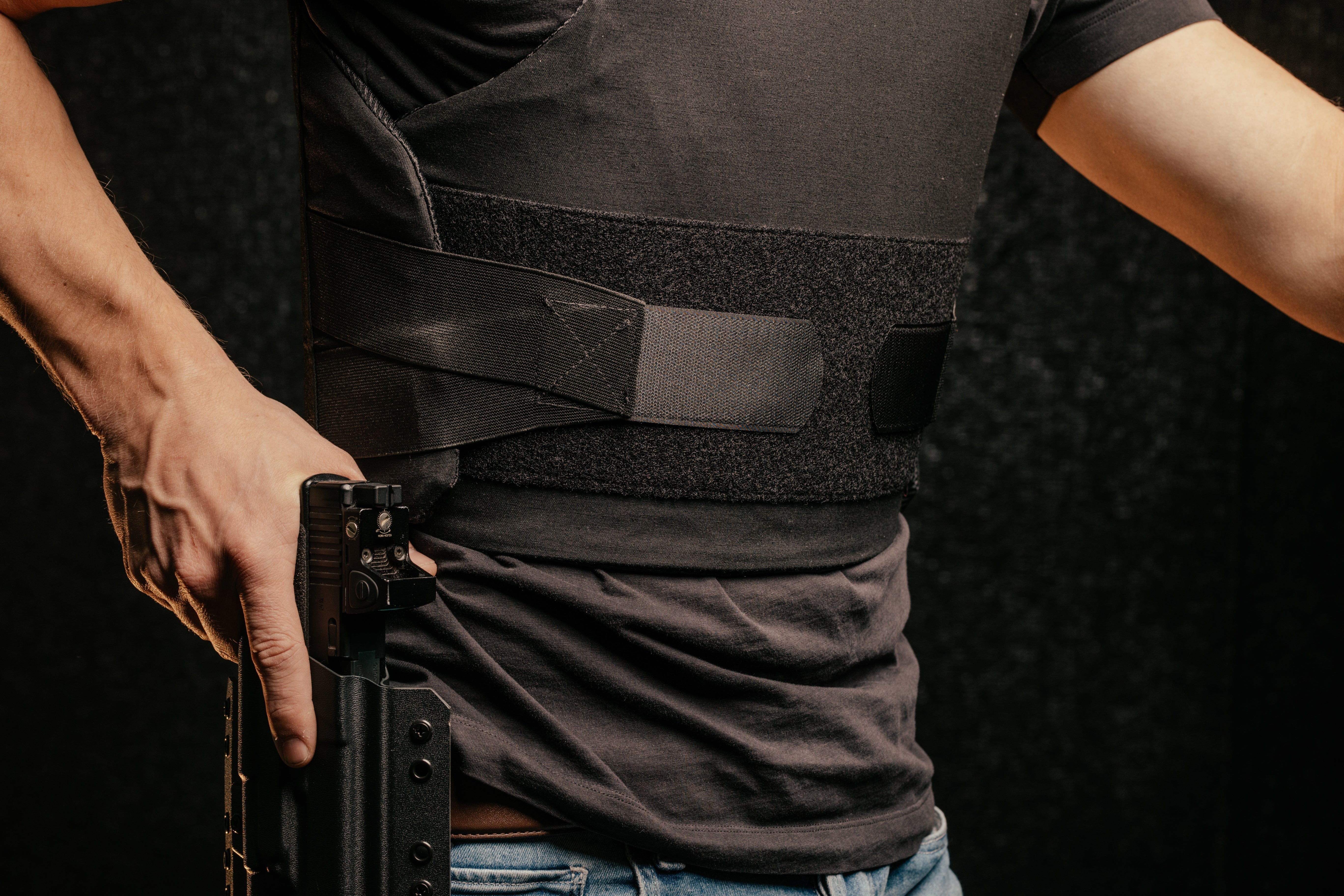
Bulletproof vests are often misunderstood. In movies, they are portrayed as flawless protection that makes the wearer almost invincible. In reality, body armor is a highly engineered piece of equipment with clear strengths, but also important limitations. Understanding how a bulletproof vest truly works can make the difference between relying on it blindly and using it effectively.
Below are 20 essential facts that give you a deeper insight into bulletproof vests.
1. A bulletproof vest is not truly bulletproof
The term bulletproof is misleading. The correct term is bullet resistant. No vest can guarantee complete protection against every type of threat. Certain high velocity rounds or armor piercing ammunition can still penetrate, especially without additional hard armor plates.
2. You can still suffer serious injuries
Even when a bullet is stopped, the energy has to go somewhere. This results in blunt force trauma, which can cause bruising, broken ribs, or internal injuries. A vest reduces lethality, but it does not eliminate the impact.
3. Soft armor is designed for handgun threats
Most soft body armor, such as NIJ Level IIIA, is built to stop handgun rounds. Rifle ammunition carries significantly more energy and requires hard armor plates for effective protection.
4. Velocity is more important than caliber
Many people assume that larger bullets are more dangerous, but speed plays a bigger role. Smaller rounds traveling at higher velocity can penetrate armor more easily than larger, slower ones.
5. A vest works by distributing energy
Bulletproof vests are made of multiple layers of high performance fibers. When a bullet hits, the energy is spread across the surface, reducing the chance of penetration.
6. Every bullet has the potential to be lethal
There is no such thing as a harmless shot. Even when stopped, the force of impact can still cause life threatening injuries. Body armor is designed to improve survival, not guarantee it.
7. Most vests have a limited lifespan
Industry standards typically rate body armor for around five years. However, daily wear, exposure to sweat, and environmental factors can shorten this lifespan.
8. Moisture can damage ballistic materials
Water and sweat can degrade the fibers inside a vest over time. Keeping your ballistic panels dry is essential to maintaining their performance.
9. Ballistic panels should never be machine washed
The outer carrier can be cleaned normally, but the ballistic inserts require careful handling. Cleaning should be limited to a damp cloth without harsh chemicals.
10. Proper storage is critical
A vest should always be stored flat in a dry, shaded environment. Folding or compressing the panels can damage the internal structure and reduce effectiveness.
11. Fit directly affects protection
A bulletproof vest must fit closely to the body. If it is too loose or too tight, coverage is compromised. Significant weight changes can make a vest ineffective.
12. The carrier alone offers no protection
The outer shell of a vest is only there to hold the ballistic panels. Without the inserts, it provides no ballistic protection whatsoever.
13. Rotating carriers extends lifespan
For professionals who wear armor daily, having multiple carriers helps manage moisture and reduces wear. This keeps the vest comfortable and effective over time.
14. Water exposure should be avoided
Although body armor is tested under controlled conditions, unnecessary exposure to water can weaken its performance. It is not designed for prolonged wet environments.
15. Body armor can help beyond ballistic threats
In some cases, vests have helped absorb impact in vehicle accidents. The same energy distribution that stops bullets can also reduce blunt impact injuries.
16. A vest must be replaced after being hit
Once a bullet impacts the armor, the internal fibers are compromised. Even if the bullet is stopped, the vest should no longer be used.
17. Bullet resistant does not mean stab resistant
Protection against bullets and protection against knives require different materials and construction methods. Not all vests are designed to handle both.
18. Multi threat protection is possible
Some vests are designed to protect against both ballistic and stab threats. These systems typically involve additional layers or inserts, making them heavier but more versatile.
19. Additional components improve protection
Trauma pads and hard armor plates can significantly increase protection. They help reduce impact energy and extend coverage against higher threats.
20. Wearing your vest is what matters most
The most advanced body armor is useless if it is not worn. Many real world incidents show that consistent use is what ultimately saves lives.
Final Thoughts
A bulletproof vest is not just a piece of equipment. It is a system that depends on materials, design, fit, and maintenance. When used correctly, it dramatically increases the chances of survival in high risk situations. When misunderstood or neglected, its effectiveness drops quickly.
The key is simple. Know what your vest can do, respect its limitations, and take proper care of it.
Share:
What Are Bulletproof Vests Made Of?